For many property owners, forests are one of their most valuable assets. Wooded areas provide natural beauty, wildlife habitat, shade, privacy, and potential economic value. However, forests require ongoing care and management to remain healthy, safe, and productive. Without proper attention, wooded properties can become overcrowded, susceptible to disease, vulnerable to wildfire risks, and less beneficial to both the landowner and the environment.
Forest management is the process of maintaining and improving wooded land through strategic planning and responsible practices. Whether a property consists of a few acres of timber or a large tract of forested land, effective management helps maximize long-term value while protecting natural resources. Understanding the importance of forest management can help landowners make informed decisions about the future of their property.
What Is Forest Management?
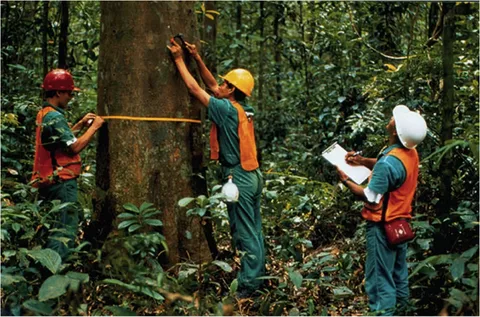
Forest management involves the careful planning and stewardship of wooded areas to achieve specific goals. These goals may include improving forest health, increasing timber production, reducing wildfire risks, enhancing wildlife habitat, or preparing land for future development.
Rather than simply removing trees when needed, forest management takes a long-term approach to maintaining the health and productivity of the land. Every decision is made with consideration for future growth, sustainability, and environmental balance.
A well-managed forest can provide benefits for decades while remaining resilient against common threats.
Common Challenges Facing Wooded Properties
Overcrowding
One of the most common problems in unmanaged forests is overcrowding. When too many trees compete for sunlight, water, and nutrients, overall forest health declines.
Overcrowded forests often experience:
- Slower tree growth
- Increased competition for resources
- Reduced tree vigor
- Higher susceptibility to disease
- Greater vulnerability to insect infestations
Proper thinning helps create healthier growing conditions and improves the long-term quality of the forest.
Disease and Pest Problems
Trees can be affected by a variety of diseases and insect infestations. When forests are not properly maintained, these issues can spread rapidly throughout the property.
Early identification and management help:
- Protect healthy trees
- Reduce the spread of disease
- Minimize tree loss
- Preserve timber value
Routine forest evaluations allow landowners to address problems before they become widespread.
Wildfire Risks
Accumulated dead wood, fallen branches, dense undergrowth, and overcrowded trees can significantly increase wildfire risks.
Forest management practices help reduce fuel loads by removing hazardous materials and improving spacing between trees. This creates safer conditions for both property owners and surrounding communities.
The Benefits of Professional Forest Management
Improved Forest Health
Healthy forests are more productive, resilient, and visually appealing.
Management practices such as thinning, selective harvesting, and vegetation control help ensure trees receive adequate resources for growth. As a result, remaining trees often become stronger and healthier over time.
Healthy forests are also better equipped to withstand weather events, pests, and environmental stressors.
Increased Timber Value
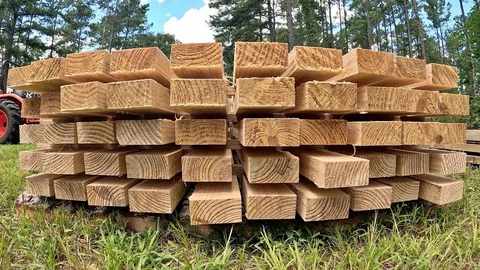
Timber can represent a significant long-term investment for property owners.
By managing forests strategically, landowners can encourage the growth of higher-quality trees that may command greater value in the future.
Benefits include:
- Better tree growth rates
- Improved timber quality
- Higher market potential
- More efficient harvesting opportunities
Proper planning helps maximize the economic potential of forested land.
Enhanced Property Appearance
Well-maintained forests are more attractive and enjoyable to use.
Forest management can improve:
- Visibility throughout the property
- Recreational opportunities
- Access routes
- Overall landscape aesthetics
Many landowners appreciate the cleaner, healthier appearance that comes from responsible forest stewardship.
Sustainable Timber Harvesting
Understanding Sustainable Harvesting
Timber harvesting does not have to come at the expense of forest health. Sustainable harvesting practices allow landowners to utilize timber resources while preserving future growth.
Rather than clear-cutting entire areas, sustainable approaches often focus on:
- Selective harvesting
- Thinning operations
- Species management
- Regeneration planning
These methods maintain the long-term productivity of the forest while providing economic benefits.
Supporting Future Generations
A properly managed forest can continue producing value for generations.
By balancing timber production with environmental stewardship, landowners help ensure future family members and property owners can enjoy the same benefits for years to come.
Wildlife Habitat Improvements
Creating Better Habitat Conditions
Healthy forests support diverse wildlife populations. Different species require varying combinations of food, cover, nesting areas, and open space.
Forest management can help create ideal habitat conditions by:
- Improving plant diversity
- Encouraging healthy understory growth
- Maintaining water access
- Creating varied forest structures
These improvements benefit both wildlife and landowners who enjoy outdoor recreation.
Supporting Ecosystem Health
Wildlife plays an important role in maintaining balanced ecosystems.
When forests are managed responsibly, they often support greater biodiversity and healthier natural systems throughout the property.
Land Clearing for Future Development
Preparing Properties for New Uses
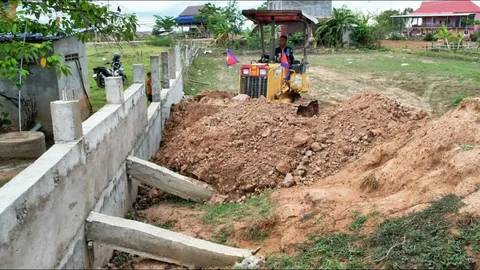
In some cases, forest management includes land clearing for future development projects.
Property owners may need cleared areas for:
- New homes
- Agricultural operations
- Equipment storage
- Access roads
- Ranch infrastructure
Professional land clearing helps prepare sites efficiently while minimizing unnecessary environmental impact.
Maintaining Long-Term Functionality
Strategic clearing allows landowners to improve property usability without sacrificing the benefits of surrounding wooded areas.
Balancing development with forest preservation often produces the most practical long-term results.
Improving Property Accessibility
Better Access Throughout the Land
Dense vegetation and unmanaged growth can make large portions of a property difficult to access.
Forest management often includes:
- Trail development
- Road maintenance
- Brush removal
- Access improvements
These upgrades make it easier to inspect, maintain, and enjoy the property.
Supporting Property Operations
Improved accessibility also benefits agricultural, ranching, and recreational activities. Equipment movement becomes easier, maintenance tasks become more efficient, and property management becomes less time-consuming.
Long-Term Environmental Benefits
Responsible forest management provides environmental advantages that extend beyond property boundaries.
Some key benefits include:
- Improved soil stability
- Reduced erosion
- Better water quality
- Increased carbon storage
- Enhanced ecosystem resilience
Healthy forests contribute positively to both local environments and broader conservation efforts.
Conclusion
Forest management is about much more than harvesting trees. It is a long-term investment in the health, productivity, safety, and value of a property. Through strategic planning and responsible practices, landowners can create stronger forests that provide benefits for generations.
From improving timber quality and reducing wildfire risks to enhancing wildlife habitat and supporting future development, forest management plays a vital role in maintaining healthy and productive land. Whether a property owner is focused on conservation, recreation, agriculture, or timber production, proactive forest management helps ensure the land continues to thrive well into the future.
By viewing forests as valuable resources that require ongoing stewardship, landowners can protect their investment while preserving the natural beauty and functionality of their property for years to come.