Every successful construction project begins long before materials arrive on-site or the first structure is erected. Whether you are building a barn, workshop, livestock facility, equipment shed, or other rural structure, the condition of the land plays a major role in determining the success and longevity of the project. Proper land preparation is one of the most important steps in the construction process, yet it is often overlooked by property owners eager to begin building.
Preparing land correctly creates a stable foundation, improves drainage, enhances accessibility, and helps prevent costly issues in the future. Investing time and resources into site preparation can save significant money while ensuring the finished project performs as intended for years to come.
Why Land Preparation Matters
Land preparation serves as the foundation for every phase of construction. Without proper preparation, even the most well-built structures can experience problems related to settlement, erosion, drainage, and accessibility.
A construction site must be evaluated carefully before development begins. Existing terrain, soil conditions, vegetation, water flow patterns, and future property needs all influence the preparation process. Addressing these factors early creates a safer and more efficient environment for construction activities.
Proper site preparation helps:
- Improve structural stability
- Reduce erosion risks
- Enhance water drainage
- Increase site accessibility
- Lower future maintenance costs
- Improve overall project efficiency
By preparing the site correctly, property owners establish a solid base for long-term success.
Understanding Site Evaluation
Assessing Existing Conditions
Before any earthmoving begins, a thorough evaluation of the property is essential. Every piece of land has unique characteristics that can influence construction outcomes.
Professionals typically examine:
- Existing slopes and elevations
- Vegetation and tree coverage
- Soil composition
- Drainage patterns
- Access routes
- Potential environmental concerns
This evaluation allows contractors to identify potential challenges before they become expensive problems during construction.
Planning for Future Use
Land preparation should not focus solely on current construction needs. Future expansion plans should also be considered during the design phase.
Property owners may eventually want:
- Additional buildings
- Expanded livestock facilities
- Equipment storage areas
- Access roads
- Utility installations
Planning ahead helps ensure today’s improvements support tomorrow’s growth.
The Importance of Proper Grading
Creating Stable Building Surfaces
One of the primary goals of grading is to create a stable and usable ground for construction. Uneven terrain can create challenges for foundations, roads, and other infrastructure.
Proper grading ensures:
- Even load distribution
- Reduced soil movement
- Improved building performance
- Enhanced site safety
When land is graded correctly, structures are less likely to experience settlement issues over time.
Managing Water Effectively
Water management is one of the most critical aspects of grading. Improper drainage can lead to standing water, erosion, muddy conditions, and foundation damage.
Effective grading helps direct water away from structures and high-traffic areas. This protects both buildings and the surrounding landscapes from long-term damage.
Clearing and Preparing the Site
Removing Vegetation and Obstacles
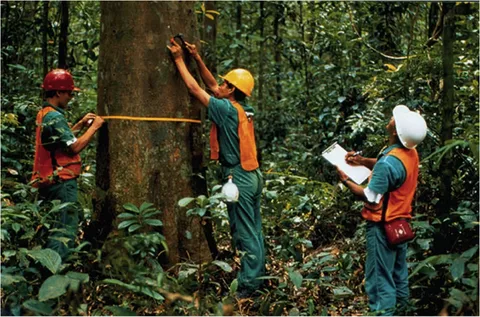
Many rural properties contain trees, brush, stumps, rocks, and debris that must be addressed before construction begins.
Site clearing helps:
- Improve visibility
- Increase safety
- Create usable work areas
- Allow accurate grading
- Prevent future interference with structures
Proper clearing creates a clean slate for development while preserving desirable landscape features whenever possible.
Improving Construction Efficiency
A cleared and prepared site allows contractors to move equipment and materials more efficiently. This often reduces delays and helps projects stay on schedule.
Construction crews can work more effectively when obstacles are removed and access routes are properly established.
Soil Stability and Ground Conditions
Why Soil Matters
The quality of the soil beneath a structure is just as important as the structure itself. Different soil types react differently to moisture, weight, and seasonal changes.
Some common challenges include:
- Excessive settling
- Poor drainage
- Soil expansion
- Erosion
- Frost movement
Understanding soil conditions allows contractors to implement solutions before construction begins.
Soil Improvement Techniques
Depending on site conditions, several methods may be used to improve stability:
- Soil compaction
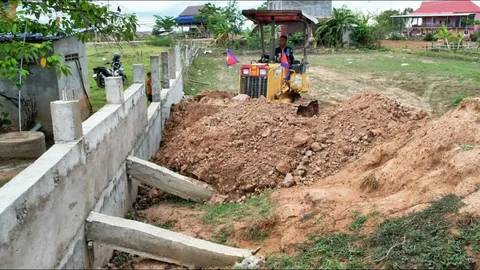
- Fill material placement
- Drainage improvements
- Surface grading adjustments
- Excavation and replacement of unsuitable soils
These techniques help create a stronger foundation capable of supporting long-term development.
Accessibility and Functional Land Use
Creating Better Access
Construction projects require efficient movement of equipment, materials, and personnel. Poor access can significantly slow progress and increase costs.
Site preparation often includes:
- Access road construction
- Driveway development
- Equipment staging areas
- Material storage locations
Well-planned access improves both construction efficiency and future property usability.
Supporting Agricultural Operations
For ranchers and agricultural property owners, land preparation can improve daily operations beyond construction projects.
Benefits may include:
- Better livestock movement
- Improved drainage around pens
- Easier equipment access
- Reduced erosion
- More efficient land use
These improvements continue delivering value long after construction is complete.
Reducing Long-Term Costs
Preventing Expensive Repairs
Many construction problems can be traced back to inadequate site preparation. Issues such as foundation movement, drainage failures, and erosion often result in costly repairs.
Investing in preparation early helps avoid:
- Foundation damage
- Water intrusion
- Structural settling
- Road deterioration
- Drainage system failures
Preventive work is almost always less expensive than corrective work.
Protecting Property Value
Well-prepared land contributes to higher property functionality and long-term value. Future buyers and developers often recognize the benefits of properly developed sites.
A stable, accessible, and well-drained property is a valuable asset regardless of future plans.
Environmental Responsibility in Land Development
Modern land preparation practices increasingly emphasize environmental stewardship. Responsible contractors work to minimize unnecessary disturbance while achieving development goals.
Common environmental considerations include:
- Erosion control
- Responsible vegetation removal
- Proper water management
- Sustainable land use planning
- Preservation of valuable natural features
Balancing development with environmental responsibility benefits both landowners and surrounding ecosystems.
Conclusion
Successful rural construction begins with careful planning and proper land preparation. While buildings often receive most of the attention, the quality of the site beneath them ultimately determines how well they perform over time.
From grading and drainage improvements to soil stabilization and site clearing, every step plays an important role in creating a strong foundation for future development. Proper preparation enhances safety, improves efficiency, reduces long-term maintenance costs, and helps protect valuable investments.
Whether the project involves a barn, livestock facility, workshop, or agricultural structure, investing in professional land preparation is one of the smartest decisions a property owner can make. A well-prepared site not only supports successful construction today but also creates lasting value for years to come.