When it comes to ranching, farming, and rural construction, selecting the right building materials can significantly impact the durability, functionality, and cost of a project. While many builders automatically turn to standard retail lumber, custom rough-cut lumber continues to be a preferred choice among ranchers, agricultural operators, and property owners who value strength, flexibility, and affordability.
Custom rough-cut lumber has been used for generations in rural construction because it offers practical advantages that fit the unique demands of agricultural environments. From livestock facilities and fencing to barns and storage structures, rough-cut lumber provides dependable performance while allowing property owners greater control over their projects.
Understanding the benefits of rough-cut lumber can help landowners make informed decisions when planning their next construction project.
What Is Rough-Cut Lumber?
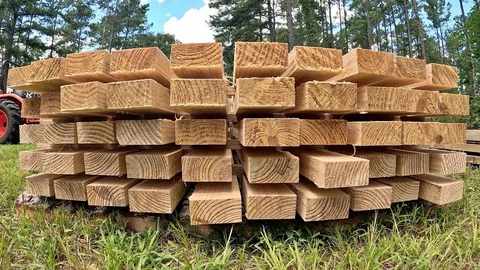
Rough-cut lumber is timber that has been sawn into boards, beams, or posts but has not undergone the extensive finishing process commonly used for retail dimensional lumber.
Unlike mass-produced lumber sold in large stores, rough-cut lumber retains its natural appearance and dimensions. This provides greater flexibility for construction projects that require customized sizes and stronger materials.
Because the milling process is simpler, rough-cut lumber often maintains more of its original strength and character while offering practical benefits for agricultural applications.
Why Ranchers Prefer Rough-Cut Lumber
Built for Real-World Use
Agricultural structures are exposed to conditions that many residential buildings never face. Livestock pressure, equipment traffic, weather exposure, and daily operational demands require materials capable of handling constant stress.
Rough-cut lumber is often selected because it performs exceptionally well in these demanding environments. Its larger dimensions and solid construction make it well-suited for heavy-duty applications.
Strength Where It Matters
Many ranch and farm projects prioritize function over appearance. Barns, corrals, livestock shelters, equipment sheds, and fencing systems require materials that provide structural reliability rather than decorative finishes.
The substantial dimensions of rough-cut lumber often provide additional strength and support compared to standard commercially finished lumber.
Custom Sizing for Better Project Results
Eliminating Material Limitations
One of the greatest advantages of custom lumber production is flexibility.
Retail lumber is generally limited to standard dimensions. However, agricultural and ranch projects frequently require unique sizes that are difficult or impossible to find at traditional suppliers.
Custom milling allows builders to order:
- Specific board widths
- Custom beam sizes
- Oversized posts
- Specialty dimensions
- Unique structural components
This flexibility allows projects to be designed around actual needs rather than available inventory.
Reducing Waste
Custom sizing can also help minimize waste. Instead of purchasing oversized materials and cutting them down, builders receive lumber that closely matches project requirements.
This often leads to:
- Lower material waste
- Reduced labor
- Improved efficiency
- Better project planning
Over time, these savings can contribute significantly to overall project costs.
Ideal Applications for Rough-Cut Lumber
Barn Construction
Barns remain one of the most common uses for rough-cut lumber.
The material provides excellent structural support for:
- Pole barns
- Equipment storage buildings
- Hay storage facilities
- Livestock shelters
Its strength and durability make it a practical choice for agricultural structures that must withstand years of heavy use.
Corral and Livestock Facilities
Livestock handling systems require materials capable of enduring constant pressure and impact.
Custom rough-cut lumber is commonly used for:
- Corrals
- Sorting pens
- Holding areas
- Feeding structures
- Livestock shelters
Its solid construction helps ensure these facilities remain dependable and safe.
Fencing Projects
Rural fencing often requires large quantities of durable wood products.
Rough-cut lumber works well for:
- Property boundaries
- Livestock fencing
- Windbreak structures
- Agricultural enclosures
Custom sizing allows landowners to create fencing systems that meet their specific operational needs.
Cost Advantages of Local Lumber Production
Reducing Transportation Costs
One challenge many rural property owners face is the cost of transporting building materials over long distances.
Locally produced lumber often reduces:
- Freight expenses
- Delivery delays
- Supply chain disruptions
Access to nearby lumber production can make projects more affordable while improving scheduling flexibility.
Better Value for Agricultural Projects
Because rough-cut lumber undergoes fewer processing steps than finished retail products, it often provides excellent value for practical construction projects.
Property owners frequently find they can obtain strong, functional materials without paying for unnecessary finishing processes that may not be needed in agricultural settings.
Supporting Local Economies
Choosing locally milled lumber also benefits rural communities.
Purchasing local products helps support:
- Small businesses
- Skilled trades
- Forestry operations
- Regional economic growth
Many property owners appreciate knowing their construction investments contribute to local industries and employment opportunities.
Durability in Harsh Conditions
Handling Weather Challenges
Agricultural structures must endure a variety of environmental conditions throughout the year.
Strong winds, snow, rain, temperature fluctuations, and prolonged sun exposure all place demands on construction materials.
Properly milled rough-cut lumber offers the durability needed to withstand these challenges while maintaining structural integrity over time.
Long-Term Performance
When used appropriately and maintained properly, rough-cut lumber can provide decades of dependable service.
Many rural properties still contain barns, sheds, and fencing systems built with rough-cut lumber generations ago. This long history of performance continues to make it a trusted material choice today.
Planning Your Lumber Needs
Understanding Project Requirements
Before ordering custom lumber, it is important to evaluate:
- Project dimensions
- Structural requirements
- Material quantities
- Intended use
- Environmental conditions
Careful planning helps ensure the correct materials are produced and delivered for the project.
Working with Experienced Professionals
Experienced sawmill operators can help property owners determine appropriate lumber sizes and quantities based on project goals.
Their expertise often helps customers avoid costly mistakes while improving project outcomes.
Conclusion
Custom rough-cut lumber continues to play an important role in ranching, farming, and rural construction projects. Its strength, flexibility, affordability, and durability make it an excellent choice for a wide variety of agricultural applications.
From barns and corrals to fencing and equipment storage facilities, rough-cut lumber provides dependable performance where it matters most. The ability to customize dimensions, reduce waste, support local businesses, and obtain high-quality materials makes it a valuable option for property owners looking to maximize the success of their projects.
For those planning future agricultural construction, custom rough-cut lumber remains one of the most practical and cost-effective building materials available, combining traditional craftsmanship with modern project needs.